
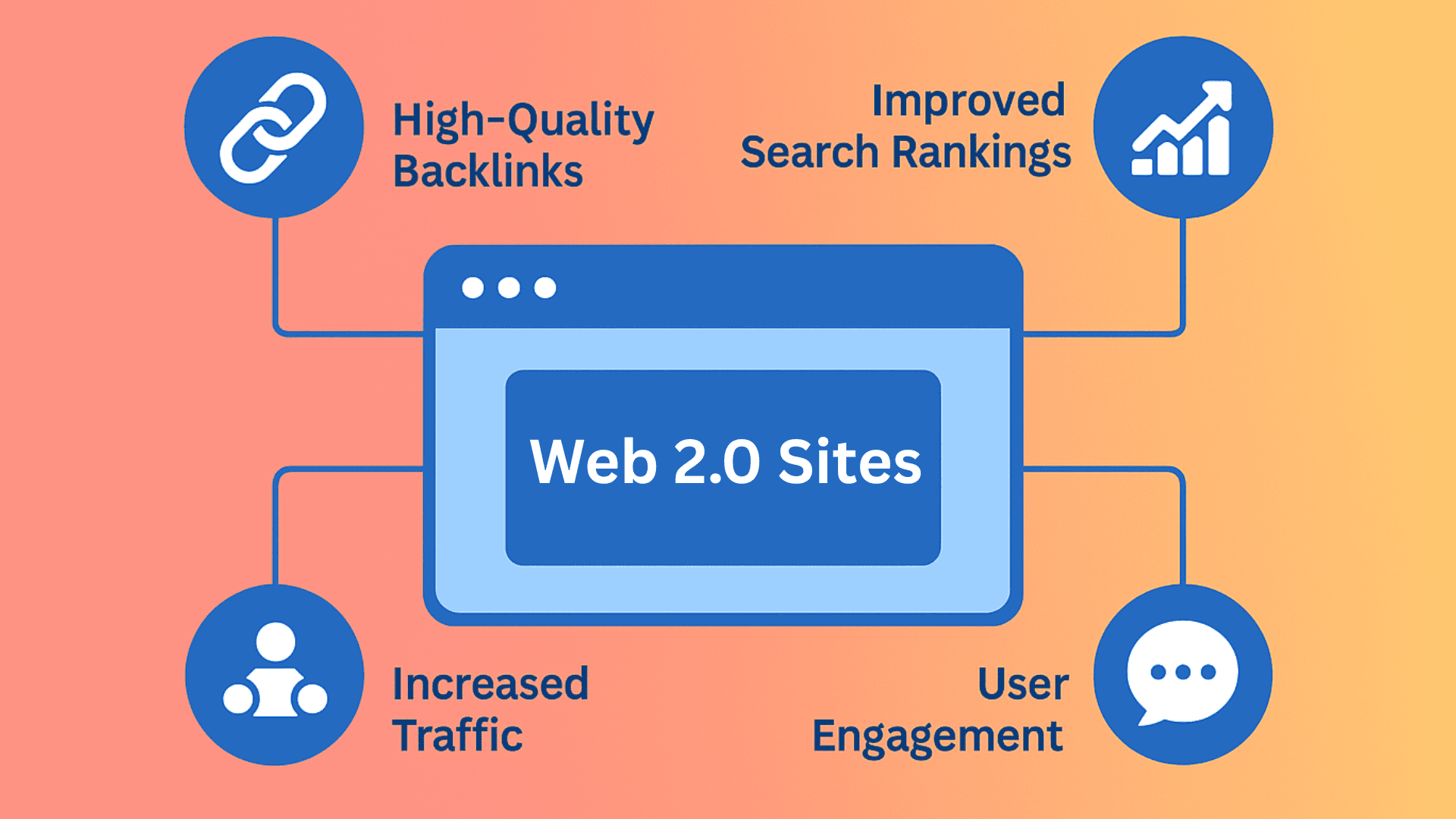
In the ever-evolving landscape of digital marketing, web 2.0 backlinks have muscled their way into the spotlight, shaking up traditional link-building strategies. These dynamic, user-generated platforms — think WordPress, Medium, Blogger, and Weebly — are transforming how SEO professionals climb search rankings. If you’re aiming to sharpen your site’s domain authority and boost visibility, learning how to get web 2.0 backlinks is no longer optional — it’s essential.
What Are Web 2.0 Backlinks and Why Do They Matter?
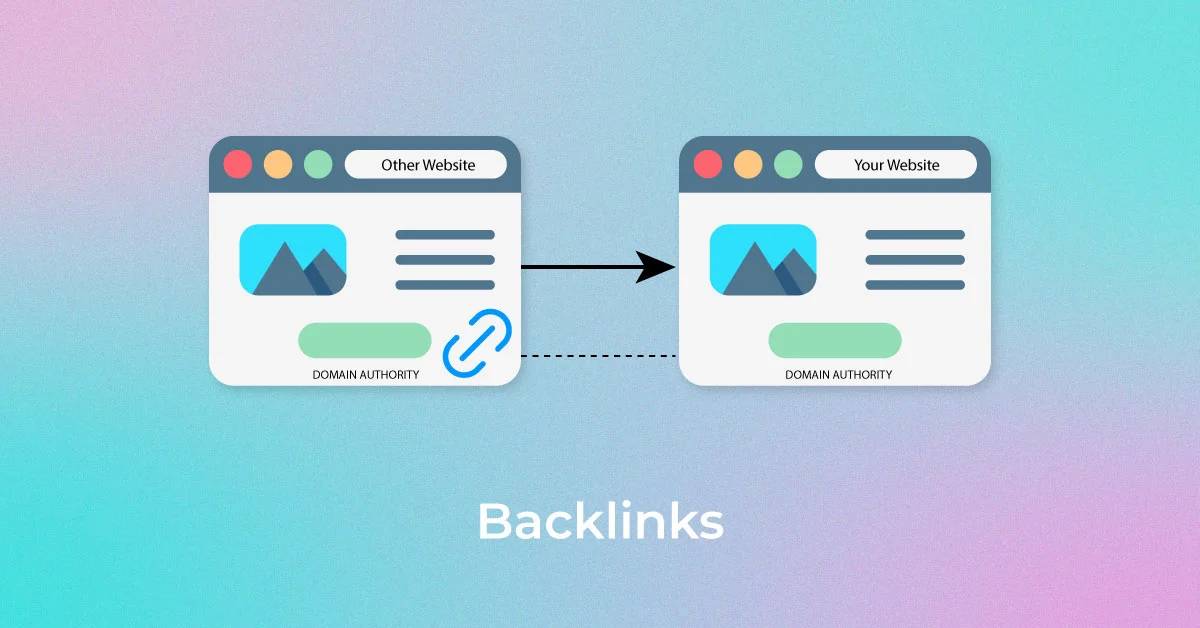
Unlike outdated one-way backlinking methods, web 2.0 backlinks spring from interactive platforms where users create and manage their own content. These backlinks aren’t passive — they’re embedded within original blog posts, media-rich articles, and curated resources posted on high-authority domains.
These platforms offer more than just links — they exude trustworthiness in Google’s eyes. Search engines value contextual, editorial backlinks tucked inside quality content, and web 2.0 backlinks deliver just that. The trick lies in blending value-driven content with smart linking, all without sounding like you’re forcing keywords down Google’s throat.
How to Get Web 2.0 Backlinks That Actually Work
Getting your hands on potent web 2.0 backlinks isn’t about spamming links or tossing up cookie-cutter blogs. It requires a deft touch and a creative compass. Here’s how to navigate it:
1. Identify the Right Web 2.0 Platforms
Not all platforms are created equal. Choose web properties that enjoy high domain authority and consistent user engagement. Sites like Tumblr, Wix, Jimdo, and HubPages can amplify your link equity. Build on platforms with user-generated content and customizable URLs to squeeze out maximum SEO juice.
2. Craft Genuine, Original Content
Forget lifeless, recycled fluff. To earn trust and link power, write content that educates, entertains, or informs. Focus on evergreen topics related to your niche, and subtly insert your web 2.0 backlinks in a way that feels organic. Use headers, bullet points, images, and videos to break the monotony and keep readers hooked.
3. Anchor Text with Finesse
Anchors matter. Avoid using the same anchor text repeatedly — it raises red flags. Vary your link text naturally: mix branded, naked URLs, partial matches, and long-tail versions of your main keyword. This diversity mirrors natural backlink profiles and keeps penalties at bay.
4. Interlink Strategically
Don’t just link to your money site — interlink your web 2.0 properties with each other. This creates a small network of authority, signaling to search engines that your content ecosystem is interconnected and relevant. But tread lightly — overdoing it can backfire.
5. Let Them Age Gracefully
Build your web 2.0 backlinks slowly and deliberately. Allow the blogs or pages to age over time. Add content regularly to each platform, engage with other users, and avoid publishing everything in one sitting. Search engines reward consistency and natural growth.
Common Pitfalls to Dodge
Many beginners trip over the same stones: keyword stuffing, thin content, duplicate posts, and dead links. Resist the urge to automate the process or outsource it to low-quality services. Instead, treat each web 2.0 backlink as a handcrafted asset in your SEO arsenal. Time-consuming? Yes. Worth it? Absolutely.
Final Thoughts: The Rise of Web 2.0 Backlinks Isn’t Just Hype
In the whirlwind world of SEO, what works today might be obsolete tomorrow. Yet web 2.0 backlinks have proven resilient, offering control, scalability, and authority all at once. Whether you’re a startup founder, affiliate marketer, or SEO junkie, tapping into this strategy can catalyze your site’s growth.
The secret? Don’t treat web 2.0 platforms as disposable link farms. Nourish them with real value, nurture them like standalone blogs, and link with intention. Done right, your web 2.0 backlinks won’t just lift your rankings — they’ll solidify your brand’s voice across the digital terrain.







Leave a Reply